• Which Tattoo Course is Right For You?


    Whether you're interested in becoming a tattoo artist or you already have a tattoo machine and you want to learn more about how to use it, there are plenty of courses available online. However, not all of them are created equal. Whether you are a beginner or an experienced tattoo artist, you will need a course that will take you through each stage of the tattooing process. You also need to choose a course that teaches you the proper techniques to use while tattooing. For more info about tatooing, click here.
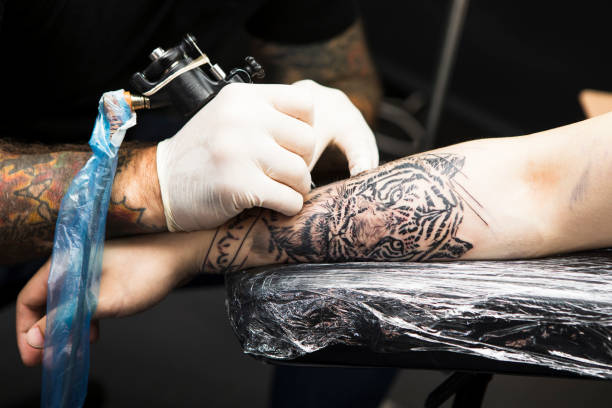
    In addition to the theory behind tattooing, there are also plenty of videos and images that are used in the training material. You will learn about how to use different equipment, and how to set up your workspace and practice tattooing. You will also learn how to maintain your machine and practice proper sanitation.

    The course also includes a forum, which allows you to post questions and receive feedback from other students. You will also have access to bonus materials and a library of interviews with artists from around the world. You will also be able to participate in the 30-Day Flash Challenge, which offers free access to extra resources and tips.

    Tattooing is a complicated art. You need to be trained properly, and if you aren't, you will probably have a hard time finding a job in the industry. You also need to build your portfolio and be able to show off your work. You also need to have a community of people who support you, and who help you reach your goals. The best tattoo courses are those that offer you a community, and allow you to share your work with others.

    The course also includes an Artist Accelerator Program, which features recorded interviews with tattoo artists from around the world. You will also have access to the Mastermind community, where you will be able to share your work with other artists, ask for feedback, and get tips and suggestions. You will also have access to the 30-Day Flash Challenge, which is free for all students.

    During your course, you will complete supervised tattoos on real clients. You will also learn about the anatomy of the human skin, how to choose a tattoo machine, and other aspects of the tattooing process. You will also have the opportunity to practice pricing and consult clients. You will also be introduced to ancient tattoo practices and skin modification techniques. For additional reading reading materials on tatooing, click here.

    Students will also learn about the history of tattooing and how modern electronic tattooing has evolved. They will also learn about proper documentation, and how to set up an efficient workspace. They will also continue to learn about the importance of self-marketing and how to properly present their work. You will also receive a diploma certificate after completion of the course.

    Students will also learn about skin health assessment, and the importance of clean healing. They will also learn about different skin types, the anatomy of a tattoo, and how to sterilize a tattoo table. They will also learn about how to build a portfolio for presentation, and how to market their work. Check out this post that has expounded on the topic: https://www.huffpost.com/entry/tattoo-art-amanda-wachob-turns-skin-into-a-canvas_n_3100968.


  • How to Find a Tattoo Artist Training Program

    Getting a tattoo apprenticeship is an excellent way to learn the trade. But it can also be difficult to find one, and many apprenticeships don't work out. Fortunately, there are a few tips that can help you find an apprenticeship that is right for you.

    The first step in finding an apprenticeship is to listen to your instincts. You want to find a mentor who you can respect and learn from. You may also want to take art classes or look for tattoo conventions. Many shop owners prefer artists who have a variety of skills, and you should build a portfolio that shows a variety of styles. Click here to learn more on finding a tatooing program.

    It's important to choose an apprenticeship that will allow you to learn and work at the same time. You don't want to be stuck doing grunt work for hours on end while a professional artist sits and does their work. You also want to be able to ask questions about proper tattoo hygiene and care.

    Tattoo apprenticeships can last anywhere from six months to four years. However, it is best to plan for at least three years. That way, you can learn all the basic aspects of tattooing and the business aspects of owning your own tattoo shop.

    Apprenticeships can also be paid, and some tattoo artists charge for their apprentices' education. However, you can often get the same or better education without paying for it. This is the best way to learn the trade. You will also be able to gain a lot of hands-on experience working with real clients.

    One of the main ways to learn to tattoo is to take an online course. You can find short courses for $30 or less that cover all of the basics. You may also want to take an online Bloodborne Pathogens Training course. This will prepare you for potential infections that can be spread through tattooing.

    You will also learn about health and sanitation, and how to keep a clean and safe work environment. This includes proper use of latex gloves and antibacterial solutions. It is also important to know how to sterilize tattoo equipment. This will prevent serious injuries in the workplace.

    Another important part of being a tattoo artist is learning to draw. You will learn to sketch and outline tattoos, and you will also learn shading techniques. You will also learn about the various aspects of skin anatomy, and how to study the hypodermis. Practicing your drawing on a fake skin or pigskin is also a good way to learn. Explore more on this subject by clicking here: floridatattooacademy.com.

    Before taking a tattoo apprenticeship, make sure that you are healthy and have a good work ethic. Getting a tattoo is a physical job, and you will be standing for long periods of time. You also have to be able to stay calm under pressure. The last thing you want is to make a mistake that will affect your future clients.

    You should also be willing to work for free. You may have to do some cleaning, reception, or phone work in exchange for your training. Check out this post for more details related to this article: https://www.huffpost.com/entry/beautiful-and-inked-an-introspective-look-into-the-real-meaning-of-tattoos_b_7215714. 


  • Tattoo Artist Training - What to Expect

    Choosing a tattoo apprenticeship is a great way to gain hands-on experience while building your skills. Some schools also offer mentoring. But it can be difficult to find an apprenticeship that works for you. You may need to work for free while you're learning, or you might not have the opportunity to tattoo until after six months or a year. Some schools may be in your area, but they're often expensive. You might also need to travel a long way to get to their studio, or they may not have an apprenticeship near you. Ultimately, you need to find a mentor that you can trust and respect. You should also find out what you can expect from an apprenticeship, including how much they charge.

    Tattoo apprentices will learn all the basics of tattooing, including drawing techniques and how to use different tools. They will also learn about sanitation procedures. These procedures are designed to keep the studio and tattoo artist safe from the risks of bloodborne pathogens. They include proper use of latex gloves, antibacterial solutions, and proper disposal of used materials. Some equipment may be unsuitable for autoclaving, in which case you'll need to clean it with a low-level disinfectant.

    Apprentices may also be required to do grunt work, such as cleaning and reception. While they learn the business, they may need to work long hours for free. They may also be required to tattoo on their own. Click for more info on tatoo program training.

    Tattoo apprentices can learn from an experienced artist, but it's important that they find a mentor they respect. The mentor will be able to give them constructive criticism and show them the correct techniques. If you are a woman, you may find yourself in a vulnerable position when apprenticing. Some mentors expect you to provide additional services in return for their teaching.

    You may be required to complete an OSHA-approved Bloodborne Pathogens training course before you can tattoo. You can find courses online or in-person. If you do take a blood-borne pathogens course, it must meet the standards set by the Occupational Safety and Health Administration (OSHA).

    In some states, you'll need to complete a certain number of hours tattooing under the supervision of an experienced artist. You may also be required to submit a work portfolio of 50 procedures. Applicants must also show proof of a hepatitis B vaccination. In Hawaii, you'll need to be tested for tuberculosis and syphilis before you can get your Body Art Operator's Permit. To discover more on how to become a tatooing expert, visit this site.

    If you are interested in becoming a tattoo artist, you should think about your personal brand. If you have a unique selling point, you'll be more likely to get clients and build a following. You should also post your work on social media sites, such as Facebook or Instagram, so that people will know you exist. You may also want to consider creating an online portfolio. This will act as your own online shop, where clients can visit to see your work. You can get more enlightened on this topic by reading here: https://www.huffpost.com/entry/what-to-know-tattooed-eyeliner_n_5b1fcc00e4b0adfb826ded37. 


Free Website Created & Hosted with Website.com Website Builder

Create Yours

Create Free Website Now

Stunning Website Templates. Free Domain.
website.com: Get Your .COM Domain for Just $14.77/year No Hidden Fees Register Now